Musa A Odhiambo
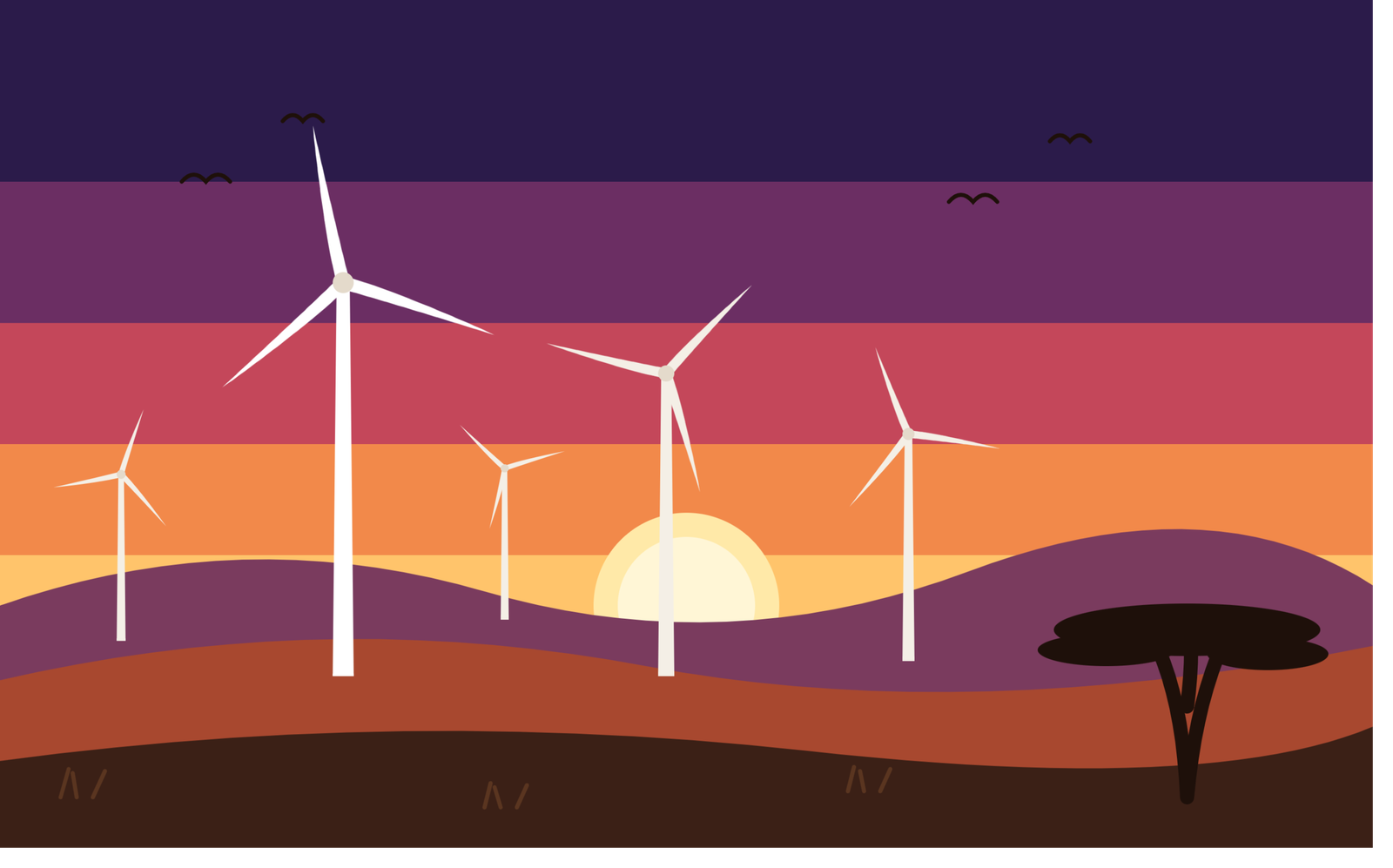
Kenya is increasingly proving that the wind blowing across its vast landscapes can do more than move clouds and cool the countryside- it can power homes, businesses and an increasingly modern economy.
With its combination of strong wind resources, an established renewable-energy sector and growing electricity demand, Kenya has positioned wind energy as an important part of its transition toward a cleaner and more diversified electricity system.
From Potential to Power
Kenya’s wind-energy journey has moved beyond potential and into large-scale generation.
The clearest example is the Lake Turkana Wind Power project, a 310-megawatt wind farm that remains one of the largest wind-power developments in Africa. The project demonstrated that large-scale wind generation could be integrated into Kenya’s electricity system and helped establish the country as an important renewable-energy market on the continent.
Kenya’s progress has continued beyond Lake Turkana. According to the International Renewable Energy Agency, the country had approximately 436 MW of installed wind capacity by the end of 2024. Wind accounted for about 12% of Kenya’s renewable installed capacity at the time.
The figures are significant because Kenya’s electricity system is already dominated by low-emission sources. The International Energy Agency reported that nearly 90% of Kenya’s electricity generation came from renewable sources in 2023, with wind contributing around 16% of generation.
Why Wind Matters for Kenya
Wind energy offers Kenya more than an alternative source of electricity. First, it can help diversify the country’s power supply. Kenya already relies heavily on geothermal, hydropower, wind and solar. Having several renewable sources reduces dependence on any single technology and can strengthen energy security.
Second, wind energy can support economic development. Large projects require engineers, technicians, construction workers, transport services, maintenance specialists and other professionals. They can also stimulate economic activity around infrastructure, land services and local supply chains.
Third, wind power can contribute to Kenya’s climate goals by producing electricity without the direct combustion of fossil fuels.
But renewable energy should not simply be measured by the number of turbines installed. The bigger question is whether Kenya can build an electricity system capable of effectively using the power those turbines produce..
The Grid Is the Next Challenge
Wind has one important characteristic that policymakers cannot ignore: it is variable.
The wind does not blow at exactly the same speed throughout the day. Electricity demand also changes constantly. As Kenya adds more wind and solar generation, the electricity system therefore needs greater flexibility. The IEA’s 2026 analysis identifies storage, flexibility, open electricity markets and ancillary services as increasingly important as Kenya integrates more variable renewable energy. This means Kenya’s renewable-energy strategy cannot stop at building generation capacity. Transmission infrastructure, electricity storage, grid management and accurate energy data must develop alongside new wind farms.
From Turkana to a National Opportunity
The next chapter of Kenya’s wind-energy story should therefore be about building an ecosystem around renewable power. That means developing Kenyan technical skills, encouraging research and innovation, improving transmission infrastructure and creating financing mechanisms that allow more renewable projects to reach construction.
Financing remains particularly important. The IEA has highlighted the high cost of capital as a challenge for clean-energy development in Kenya and other African markets. Lower-cost financing can make renewable projects easier to develop and improve their ability to compete for investment. There is also an opportunity to connect renewable energy with other sectors of the economy. Reliable clean electricity can support manufacturing, agriculture, digital services, electric mobility and other emerging industries.
A Wind-Powered Future?
Kenya’s progress demonstrates that renewable energy does not have to remain an environmental aspiration. It can become economic infrastructure. The country has already moved from identifying its wind potential to operating major wind-generation facilities. The next challenge is ensuring that the electricity system, investment environment, skills base and communities surrounding renewable projects are prepared for the next phase of growth.
Wind alone will not solve every energy challenge. Kenya will need a balanced mix of geothermal, hydro, wind, solar, storage and other technologies, supported by stronger transmission and efficient electricity markets. But the turbines rising across Kenya’s windy landscapes represent something bigger than machines producing electricity. They represent an opportunity to turn a natural resource into productive capacity, jobs, investment and a more resilient economy.
The question is no longer whether Kenya can harness the wind. It is how effectively the country can harness its full economic potential.
Empower Digest — Connect. Learn. Transform.