Brian Onyango
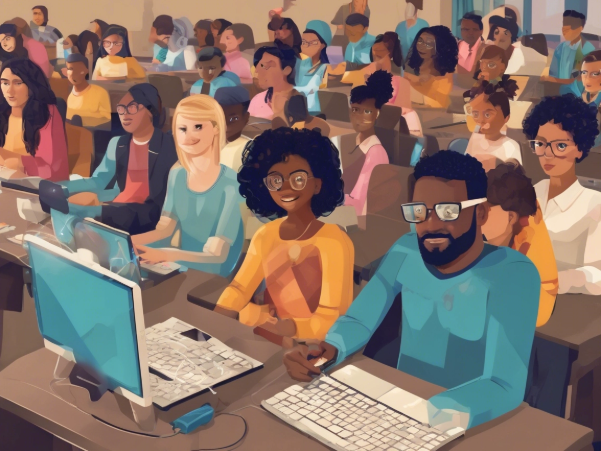
In today’s interconnected world, access to digital tools and the ability to use them effectively is no longer a luxury-it’s a necessity. Digital literacy, the ability to find, evaluate, and communicate information using digital technology, has become as essential as reading and writing. But should it be recognized as a fundamental human right?
Why Digital Literacy Matters
From education and employment to healthcare and civic participation, digital skills shape opportunities. Those without them face exclusion from:
- Education: Online learning platforms and digital resources are critical for students.
- Jobs: Most careers now require basic tech proficiency.
- Healthcare: Telemedicine and online health information are vital.
- Democracy: Digital tools enable civic engagement and access to government services.
The Case for Digital Literacy as a Human Right
The United Nations has already recognized Internet access as a human right, but digital literacy goes further-ensuring people can use technology meaningfully. Key arguments include:
✅ Equality: Without digital skills, marginalized groups face further disadvantage.
✅ Economic Empowerment: Digital literacy opens doors to better jobs and entrepreneurship.
✅ Freedom of Expression: Knowing how to navigate digital spaces safely is key to participation.
How Can We Ensure Digital Literacy for All?
- Government Policies: Integrate digital skills into public education and adult training programs.
- Corporate Responsibility: Tech companies should fund community digital literacy initiatives.
- Grassroots Efforts: Libraries, NGOs, and local organizations can provide free training.
Final Thoughts
As the world becomes increasingly digital, ensuring everyone has the skills to participate isn’t just fair-it’s necessary for a just and inclusive society. Digital literacy must be treated as a human right to prevent a growing divide between those who can thrive in the digital era and those left behind.
What do you think? Should digital literacy be a legally protected right? Share your thoughts below! 💬


 Musa A Odhiambo